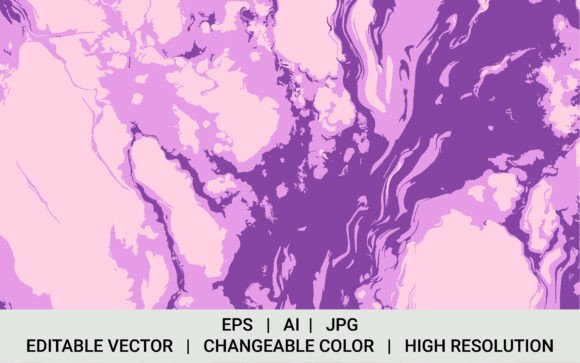
Purple Marble Texture Background: A Strategic Design Asset for Modern Creativity
The Purple Marble Texture Background is more than just a visually striking design element—it’s a versatile tool that can enhance your creative projects, branding efforts, and marketing strategies. With its rich color palette, intricate patterns, and high-resolution quality, this texture offers a unique way to elevate your visual storytelling across multiple platforms. Whether you're designing for digital or physical media, understanding how to strategically use the Purple Marble Texture Background can significantly impact your results.
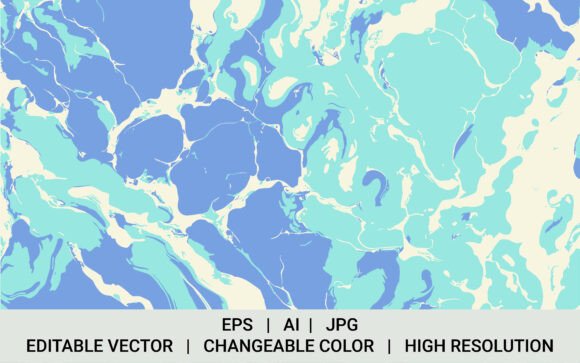
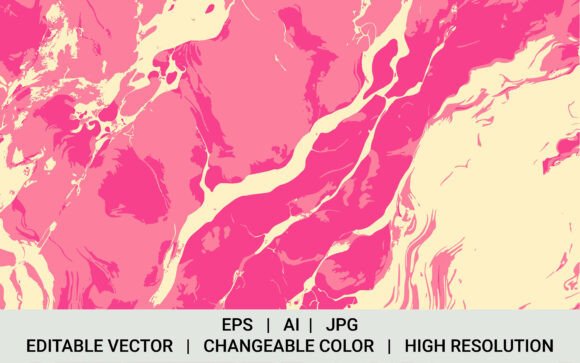
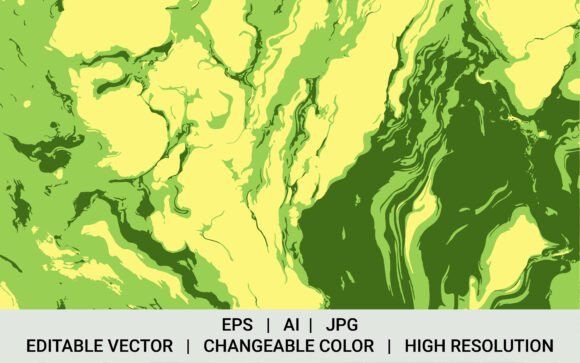
Available in EPS, AI, and JPG formats, this background provides flexibility for both vector editing and raster-based applications. Its changeable color options and editable nature make it ideal for customizing to fit specific brand identities or project requirements. From website design to social media posts, t-shirt prints, and wall art, the Purple Marble Texture Background is a valuable resource for professionals and hobbyists alike.
Why the Purple Marble Texture Background Matters Strategically
In today’s competitive creative landscape, the right visual elements can differentiate your work and strengthen your brand presence. The Purple Marble Texture Background stands out because it combines aesthetic appeal with practical functionality. Its abstract marble and liquid fluid patterns add depth and sophistication, making it suitable for a wide range of applications without overwhelming the viewer.
Strategically, this texture can help you achieve better outcomes by providing a consistent visual foundation that aligns with your goals. For example, if you’re creating content for a luxury brand, the Purple Marble Texture Background can reinforce a sense of elegance and exclusivity. If you’re designing for a tech startup, it can offer a modern, dynamic feel that resonates with your target audience.
Moreover, the ability to edit and customize the texture ensures that it can adapt to different contexts. This flexibility supports long-term planning by allowing you to reuse and repurpose the same asset across multiple campaigns or product lines without losing visual coherence.
When to Use the Purple Marble Texture Background
Knowing when to use the Purple Marble Texture Background is as important as understanding how to use it. It’s most effective when used intentionally, with a clear purpose in mind. Consider the following scenarios:
- Website Design: Use the texture as a background for landing pages, portfolios, or product showcases to create a visually engaging experience that captures attention.
- Social Media Content: Apply the texture to post headers, banners, or story backgrounds to maintain a cohesive look across your online presence.
- Printed Materials: Incorporate the texture into business cards, brochures, or promotional items to add a touch of sophistication and uniqueness.
- Artwork and Decor: Utilize the texture for frame artwork, wall decor, or scrapbook layouts to introduce an artistic flair that complements other design elements.
By identifying the right moments to apply the Purple Marble Texture Background, you can ensure it enhances rather than distracts from your overall message or design intent.
How to Approach the Purple Marble Texture Background Effectively
Before integrating the Purple Marble Texture Background into your projects, take time to plan and evaluate its suitability. Start by defining your objectives. Are you aiming to create a bold statement? Build brand recognition? Or simply add visual interest? Each goal may require a different approach to using the texture.
Consider the context in which the texture will be used. For instance, if you’re designing for a mobile app, the texture should be optimized for smaller screens without compromising clarity. If you’re working on a large-scale print, ensure the resolution is sufficient to maintain quality at scale.
Another key consideration is color harmony. While the Purple Marble Texture Background is visually appealing on its own, it should complement the rest of your design. Test it against your existing color scheme to avoid clashing or overwhelming the viewer.
Practical Examples of Strategic Use
Let’s explore a few real-world examples of how the Purple Marble Texture Background can be used effectively:
- Marketing Campaigns: A fashion brand could use the texture as a background for their email newsletter to create a luxurious feel that aligns with their brand image.
- Product Packaging: A boutique skincare company might incorporate the texture into their packaging design to convey a sense of premium quality and creativity.
- Event Promotions: An art exhibition could use the texture for posters and social media ads to attract attention and set the tone for the event.
- Personal Branding: A freelance designer might use the texture on their portfolio website to showcase their style and versatility.
These examples illustrate how the Purple Marble Texture Background can be tailored to meet specific needs while maintaining a professional and cohesive appearance.
Risks of Using the Purple Marble Texture Background Without Clarity
While the Purple Marble Texture Background is powerful, it can also be misused if applied without a clear strategy. One common risk is overuse—relying too heavily on the texture can dilute its impact and make your designs appear cluttered or unprofessional.
Another risk is lack of alignment with your overall brand identity. If the texture doesn’t match your brand’s tone or messaging, it can confuse your audience and weaken your communication. Always ask yourself whether the texture supports your goals or detracts from them.
Additionally, failing to consider technical aspects such as resolution, file format, and compatibility can lead to poor results. Ensure that the texture is optimized for its intended use, whether it’s for digital or print media.
Intentional Use Over Random Application
To get the most out of the Purple Marble Texture Background, focus on intentional use rather than random application. This means being mindful of how and where it’s placed, what it communicates, and how it contributes to your broader objectives.
Start by setting clear goals for each project. Ask questions like: What message do I want to convey? How does this texture support that message? What are the potential risks or limitations? By answering these questions, you can make informed decisions that lead to better outcomes.
Finally, remember that the Purple Marble Texture Background is just one part of a larger design ecosystem. It should work in harmony with other elements such as typography, imagery, and layout to create a balanced and effective visual experience.